Holloway Font Review for Craft Sellers
First Impressions of Holloway Font
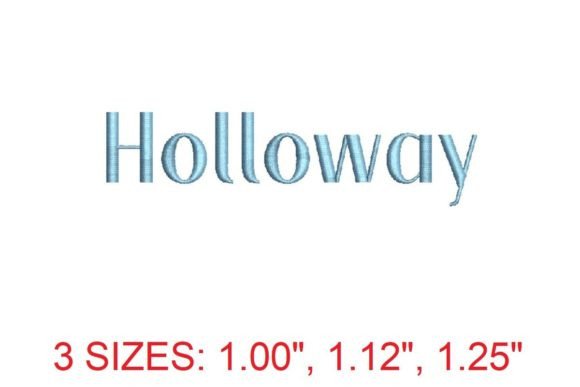
As an embroidery designer with years of experience, I’ve seen countless fonts come and go. Holloway Font stands out immediately for its clean, modern aesthetic. It feels professional yet approachable, making it perfect for a wide range of handmade products. The font has a subtle elegance that doesn’t overpower, which is ideal for both casual and more refined craft fair displays.
Where Holloway Font Shines in Product Design
When it comes to craft fair product design, the right font can make or break a sale. Holloway Font excels on items like tote bag design, apron embroidery, and tea towel embroidery. Its balanced lettering ensures clarity even from a distance, which is crucial when customers are browsing a booth full of options.
The font also works well as a small accent or large focal point. On embroidered patches or fabric pouches, it adds a touch of sophistication without overwhelming the design. For pillow covers or market bags, it brings a polished look that appeals to buyers looking for quality.
As an Etsy seller, I know how important printable mockups are for online listings. Holloway Font translates well into digital formats, ensuring that your digital embroidery file looks just as good on a screen as it does on fabric.
Practical Considerations for Production
One of the first things I check when evaluating a machine embroidery design is how easy it is to understand at a glance. Holloway Font is straightforward and readable, which is a huge plus for small shop product creators. It’s also versatile enough to work on different fabric textures, from smooth cotton to textured towels.
For commercial embroidery projects, the font’s stitch density is well-balanced. It doesn’t require excessive thread, which helps keep costs down. However, I recommend testing it on scrap fabric before committing to a batch. This will help you see how it performs on different materials and ensure the thread colors contrast well.
When working with thick fabric or curved cap surfaces, the font maintains its shape without distortion. That’s a key advantage for handmade product makers who want consistent results across multiple items.
Careful-Use Notes for Holloway Font
While Holloway Font is generally reliable, there are a few areas where care is needed. Tiny details or very small lettering may not hold up well on certain fabrics. If you’re planning to use it on dark fabric, make sure the thread colors provide enough contrast to avoid a washed-out look.
On textured towels or other uneven surfaces, the font might lose some clarity. It’s best to test it on the actual fabric you’ll be using. Also, if you’re working with small hoop size, consider breaking the design into sections to maintain detail.
Finally, always use the right stabilizer for your project. This helps prevent puckering and ensures a smooth finish, especially when working with delicate or stretchy fabrics.
Impact on Visual Appeal and Sales
At a craft fair, first impressions matter. Holloway Font has a premium feel that catches the eye and makes your finished product stand out. It adds value to each item, whether it’s a simple embroidered patch or a custom handmade gift.
From a booth display perspective, the font enhances brand consistency. When all your products have a cohesive look, it builds trust with customers and makes your stall more inviting. It also encourages repeat purchases, as buyers recognize the quality and style.
As a creative entrepreneur, I appreciate how Holloway Font supports brand consistency across different product lines. Whether you’re selling on Etsy or at a local market, it helps create a recognizable identity that resonates with your audience.
Embroidery Designer Tips for Using Holloway Font
To get the most out of Holloway Font, start by test the design on scrap fabric. This will help you see how it looks in real life and identify any potential issues early on. Pay attention to spacing and stitch density—these can affect the overall appearance and durability of the design.
Always confirm the hoop size required for your project. Some fonts may need larger hoops to maintain detail, especially when used on larger items like pillow covers or market bags. If you're unsure, reach out to the designer or check the design assets provided.
Creating at least one real mockup is essential. Seeing the font on actual fabric helps you understand how it will perform in the real world. Compare it against different fabric colors to find the best match for your product line.
Lastly, make sure you understand the commercial licensing terms before selling finished products. This ensures you’re compliant and avoids any legal issues down the road.
Conclusion: A Versatile Font for Handmade Success
In summary, Holloway Font is a strong choice for back to school themed items and a wide range of embroidery projects. Its clean, modern look makes it ideal for tote bags, aprons, tea towels, and more. It’s easy to produce, visually appealing, and adaptable to different fabrics and sizes.
Whether you’re preparing for a weekend craft fair or building an online store, Holloway Font offers the flexibility and quality needed to create successful handmade product lines. With careful use and proper testing, it can become a staple in your design arsenal.